Mulligan: Performance-Guided Data Collection
for Efficient On-Robot Learning
Overview
Abstract
Learning from human demonstrations is a reliable way to teach robots new tasks, but the performance gain from each additional demonstration shrinks as the policy improves. Continued improvement can instead come from data collected in supervised deployment, where an operator places the objects for each episode and intervenes when the policy fails. We ask how to get the most improvement from a fixed budget of operator-supervised episodes on high-precision manipulation tasks with wide ranges of object placements. We observe that failures can concentrate in a small subset of initial states, so uniform collection spends much of the operator's time on states the policy already handles.
In response, Mulligan makes the initial-state distribution a decision, starting each round's episodes at the policy's observed failures and at states not yet tried. To further improve data efficiency, we augment interactive imitation learning with a value function trained on all data, including the failures that imitation otherwise discards. Across three real-world tasks evaluated on 2,550 held-out, blinded episodes and two simulated tasks, Mulligan outperforms uniform sampling of initial states at matched supervised collection budgets, and combined with value-based action selection, HiL-IDQL+Mulligan improves final real-task success by 10–34 percentage points over the baseline. With operator interventions, the human-robot team completes 98% of collection episodes, remaining productive while the policy learns.
- +10–34 pp
- final-round success over HG-DAgger on the three real tasks (HiL-IDQL+Mulligan)
- 2,550
- held-out robot evaluation episodes, blinded and paired by initial state
- 98%
- of 1,009 fresh collection episodes completed by the human–robot team, with no round below 90%
Tasks
Three real-world tasks that end in a tight-clearance insertion, with the objects placed anywhere in wide ranges.
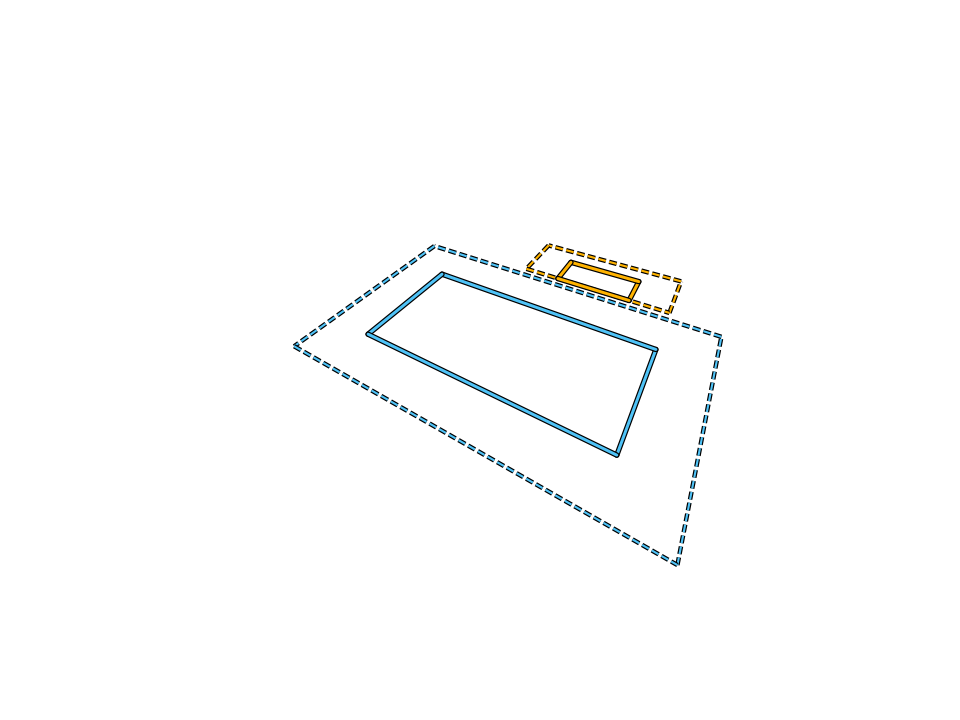
Insert marker
Grasp a pen from the table and insert it into a holder with about 1 mm of clearance.
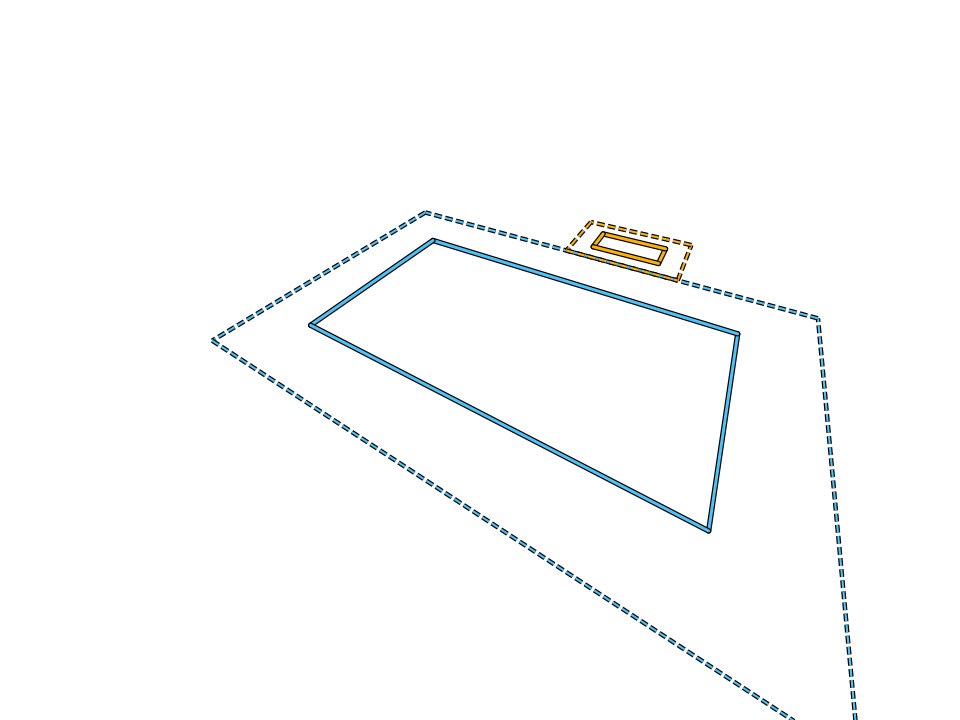
Thread nut
Grasp a square nut, align it over the peg, and lower it to the base.
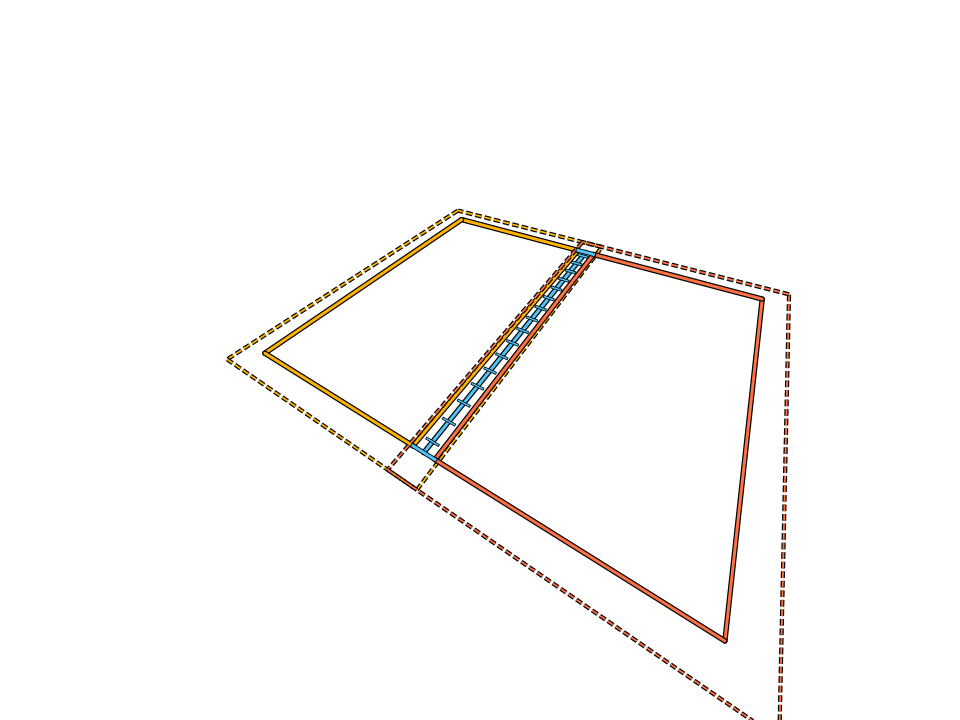
Route cable
Seat a rope into two clips in succession; scored per clip, so partial progress counts.
Citation
If you use Mulligan, its datasets or the Policy Arena, please cite the paper.
@misc{mulligan2026,
  title         = {Mulligan: Performance-Guided Data Collection for Efficient On-Robot Learning},
  author        = {Lars Ankile and Perry Dong and Rohan Bhowmik and Aneesh Muppidi and David D. Yuan and
                   Shuran Song and Chelsea Finn},
  year          = {2026},
  eprint        = {2610.05882},
  archivePrefix = {arXiv},
  primaryClass  = {cs.RO},
  url           = {https://arxiv.org/abs/2610.05882}
}